
No. 01
Strengths 09
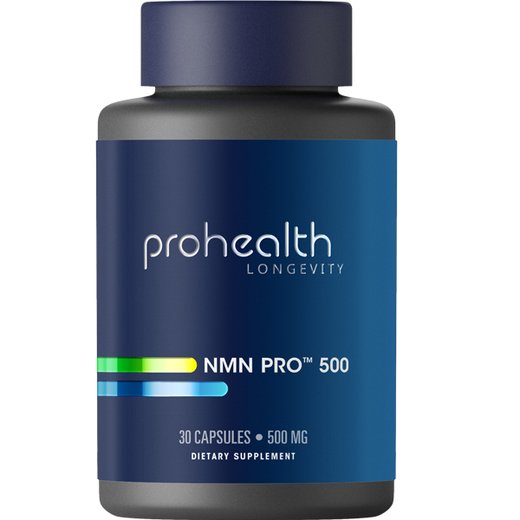
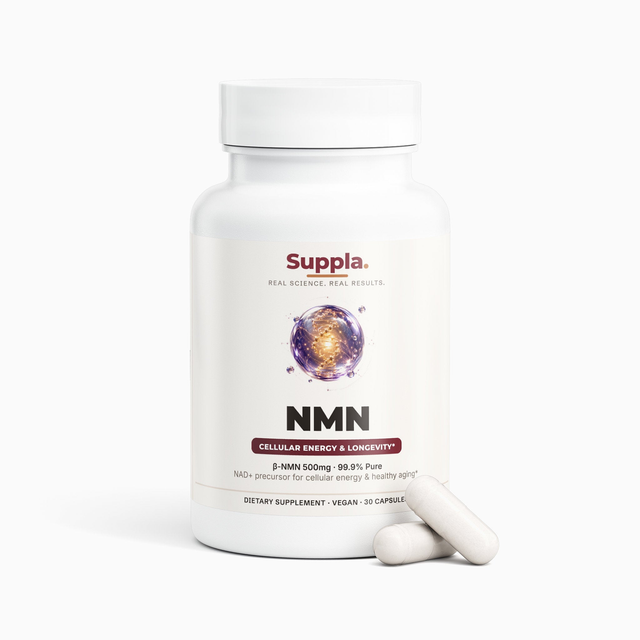
- 500 mg of β-NMN in one capsule, the daily dose the human trials center on.
- Purity printed at 99.9% on the panel, not 'high purity' in the marketing.
- One ingredient. No TMG, no resveratrol, no blend sharing the capsule.
- Plant-cellulose HPMC capsule, gluten-free, allergen-free.
- Serving size is one capsule, so 30 capsules is a full 30 days at 500 mg.
- The direct NAD+ precursor, one step from the molecule your cells use.
- Only formula of 29 that passed all four checks.
- Third-party tested, GMP certified, manufactured in the USA.
- 60-day money-back guarantee.
Limitations 02
- Online only, not sold in retail stores.
- One bottle is exactly 30 days; there is no 60-count size yet.
The verdict Most NMN bottles either split the dose across two capsules or leave the purity to your imagination. This one prints 500 mg per capsule and 99.9% purity on the same panel, with nothing else inside. It is the one bottle of 29 that passed all four checks.
Check Availability ✓ 60-Day Money-Back Guarantee · Buy 3, Save 25%