No. 01
Strengths 08
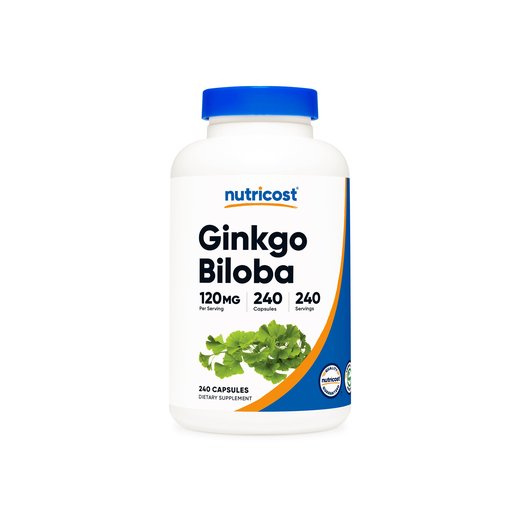
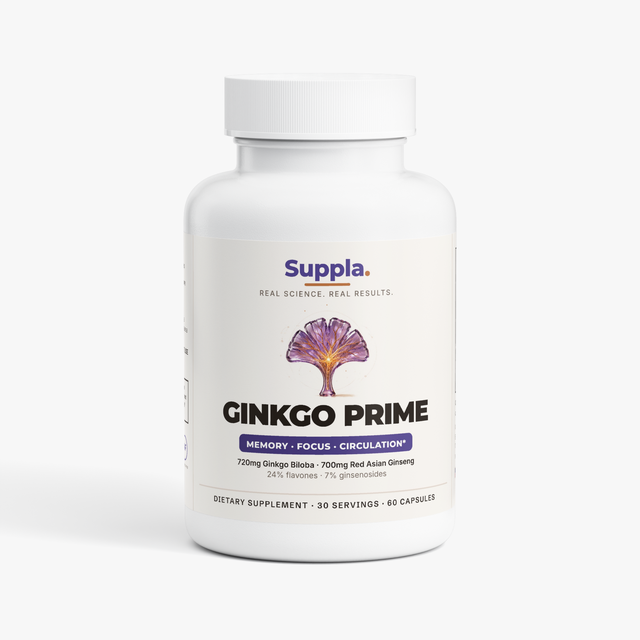
- 720 mg of ginkgo biloba leaf per serving, six times the 120 mg the rest of the aisle prints.
- 120 mg of that is the standardized 24% flavone glycoside extract, so the specification is met and then built on.
- 700 mg of Red Asian ginseng standardized to 7% ginsenosides, the pairing the combination studies used.
- Both botanicals carry a percentage on the panel, so neither is an unmeasured ingredient.
- Every active and every amount printed. No proprietary blend hiding the split.
- Vegetarian capsule, gluten-free, lactose-free and allergen-free, per the manufacturer.
- Manufactured in the USA in a GMP-certified facility.
- 60-day money-back guarantee, which nothing else in this group offers.
Limitations 03
- One bottle is 30 servings, which is 15 days at the full four-capsule direction, so it costs more per month than a 120 mg bottle.
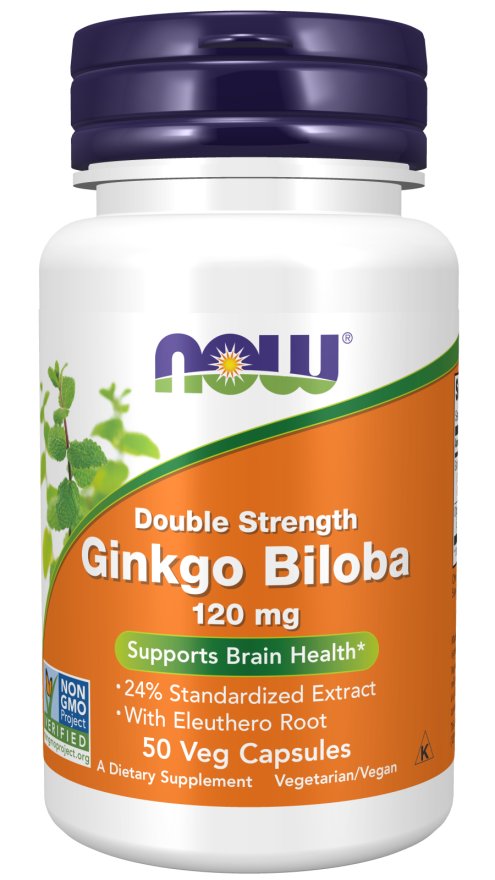
- The panel prints 24% flavones but does not print a terpene lactone percentage, which NOW does.
- Two capsules per serving rather than one, which is the trade for the extra botanical weight.
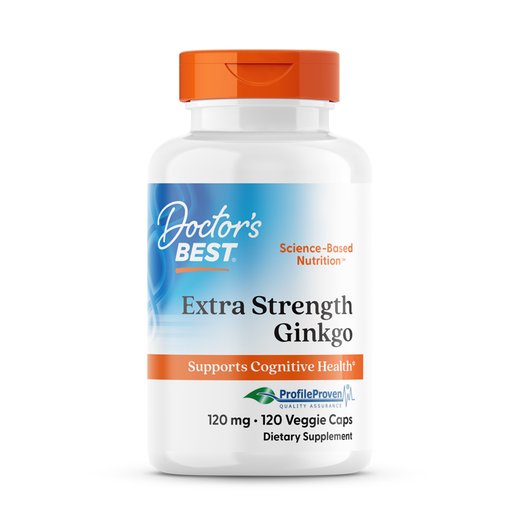
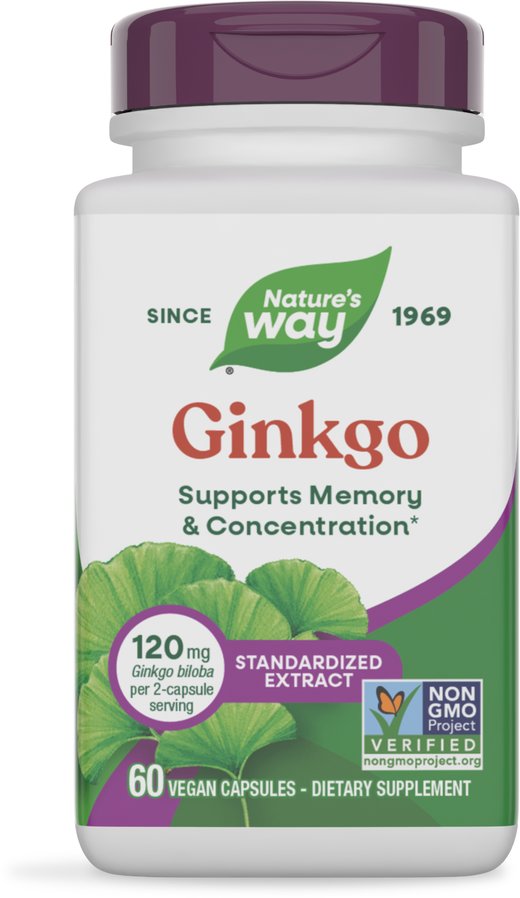
The verdict The rest of this aisle prints the same 120 mg and sells ginkgo alone. This one carries 720 mg of ginkgo per serving with the standardized 24% extract inside it, and puts a Red Asian ginseng standardized to 7% ginsenosides next to it, which is the pairing the combination research was run on. It costs more per month, because there is more in it. It was the only formula of 27 to pass all four checks.
See Price and Availability ✓ 60-Day Money-Back Guarantee