No. 01
Strengths 09
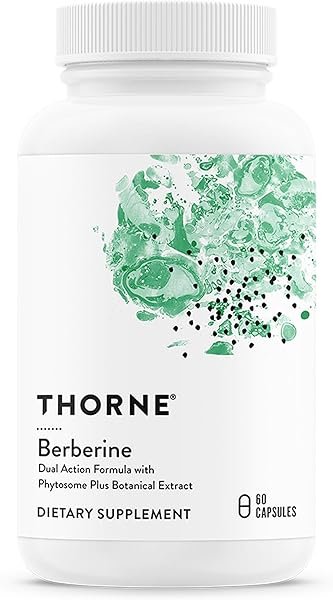
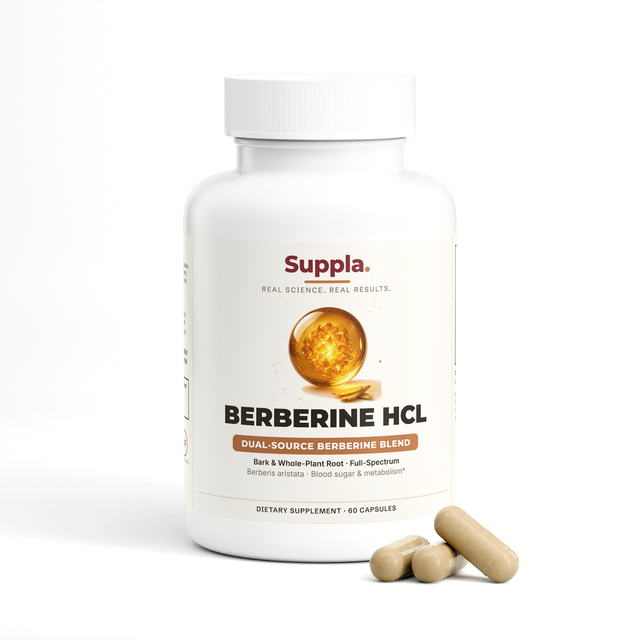
- Berberis aristata printed on the panel, with the plant parts: bark and root.
- Dual-source: 790 mg of bark-and-root extract plus 10 mg of high-purity bark extract, 800 mg of berberine HCl extract in every two-capsule serving.
- The only formula of 41 that names both parts of the plant.
- Vegetable cellulose capsule. No gelatin, no softgel oil, no magnesium stearate.
- Every milligram printed. No proprietary blend.
- Vegan, non-GMO, gluten-free.
- Third-party tested, GMP certified, manufactured in the USA.
- Two capsules a day with meals, the way the research took it. One bottle, one month.
- 60-day money-back guarantee.
Limitations 02
- Online only, not sold in retail stores.
- Two capsules per serving rather than one.
The verdict Most berberine labels give you a number and no origin. This one prints Berberis aristata. It names both the bark and the root. It arrives in a clean vegetable capsule with a third-party test behind it. It is the one bottle of 41 that passed all four checks, and it is the one we would take with dinner.
Check Availability ✓ 60-Day Money-Back Guarantee · Buy 3, Save 25%